

Why Handmade Gifts Hurt More When They Aren’t Appreciated
Have you ever spent weeks making a handmade gift, only to realize the person receiving it didn’t truly appreciate it?
I have.
There are people in my life who will never receive another handmade gift from me. Not because we are fighting. Not because I stopped caring about them. I simply learned that the time, love, and effort behind handmade gifts do not always hold the same value for the person receiving them as they do for the person making them.
A few years ago, one of my closest friends became a grandmother. My own grandmother believed every new baby should be welcomed with something handmade, so I decided to continue that tradition by crocheting a baby blanket.
I wanted it to be something the family would keep for years and maybe even pass down someday. I spent about two weeks working on it with expensive organic cotton yarn, carefully choosing the pattern and crocheting whenever I had time.
At the baby shower, my friend hugged me and called it the most special gift she had received. In that moment, every sore hand, late night, and dollar spent on yarn felt worth it.
About six months later, I visited her home and saw the blanket beside the couch, underneath her dog. It was covered in dog hair, had chew holes in one corner, and looked like it had been used as the dog’s blanket for quite some time.
I did not say anything, but I could not stop thinking about it after I left.
The pain was not really about the handmade gift itself. It was about what that handmade crochet gift represented: two weeks of my time, my creativity, and the care I had put into making something specifically for her family. To me, it was more than cotton yarn. To her, it may have simply been a blanket.
That difference explains why handmade gifts can hurt so much when they are not appreciated. The maker sees the hours, mistakes, expense, memories, and love behind the finished object. The recipient may only see the object itself.
If you have ever wondered why handmade gifts feel so personal, why some people do not appreciate handmade gifts, or why it is so difficult to stop making crochet gifts for others, you are not alone. In this article, we will look at the psychology behind handmade gifts, why makers become emotionally attached to them, and how to set healthier boundaries without feeling guilty.
Table of Contents
Why Handmade Gifts Feel More Personal Than Store-Bought Gifts
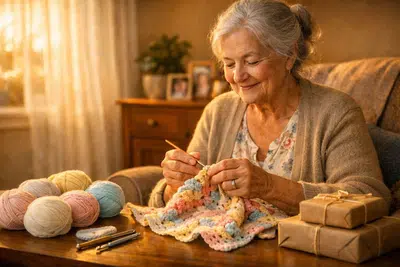
The blanket was not the beginning of the story. It was simply the first time I noticed the pattern.
I grew up watching my grandmother make things for everyone around her. She crocheted blankets for new babies, pillows for family members, doll clothes for children, and small gifts whenever someone needed something special. Her hands were rarely still. If she was sitting down, there was usually yarn nearby.
To the person receiving one of her handmade gifts, it may have looked like a blanket, pillow, or toy. But she saw something completely different.
She knew the evenings spent working on it, the mistakes she corrected, the yarn she purchased, the skill she had built over many years, and the love she put into every stitch.
That is what makes handmade gifts so meaningful. The finished item carries more than its materials. It also carries the maker’s time, attention, experience, and care.
Years later, I saw that same difference in how people valued my own crochet work.
When I first started selling crocheted hats online, I showed my shop to my mother. I was proud of what I had created, so her reaction caught me off guard. She told me I was charging too much and that no one would pay my prices.
At the time, I was charging $25 for a hat that took about four hours to make.
My mother was not trying to discourage me. She believed she was protecting me from disappointment. But she was looking at the finished hat, while I was thinking about the hours it took to crochet, the cost of the yarn, and the years it took to build that skill.
Sometimes a recipient is careless with the gift. Other times, they simply do not understand what went into it.
The person making a handmade gift often sees the entire process. The person receiving it may only see the finished object.
One person sees a blanket.
The other sees two weeks of their life.
That gap in perspective is why an unappreciated handmade gift can feel less like disappointment over an object and more like personal rejection.
Why Unappreciated Handmade Gifts Feel Like Personal Rejection
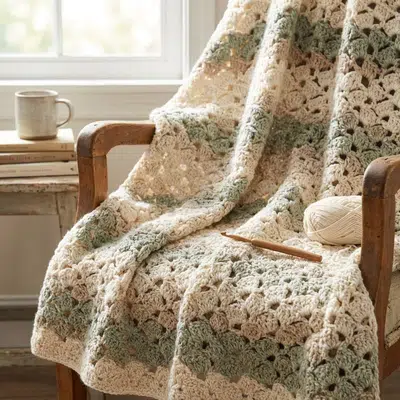
Even after I left her house, I could not shake the feeling that something more than a blanket had been dismissed.
Handmade projects become tied to specific memories: choosing the yarn, fixing mistakes, restarting rows, and imagining the recipient using the finished piece. By the time the project is complete, it carries far more than the cost of the materials.
One psychological idea that helps explain part of this reaction is effort justification. We often place greater value on something when it requires significant time, energy, or sacrifice.
That does not mean every maker will react the same way, but it helps explain why a handmade gift can feel deeply personal. The project becomes tied to the hours spent making it, the mistakes you fixed, and the person you imagined receiving it.
When I looked at that baby blanket, I did not see cotton yarn. I saw two weeks of intention, effort, and love.
So when it became the dog’s blanket, it did not feel like someone had simply misused an object. It felt as though the care behind the gift did not matter.
Why Saying No to Crochet Requests Feels So Difficult
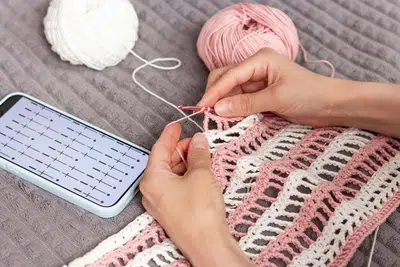
Not every request begins with someone trying to take advantage of you. Sometimes, it starts with a nice conversation.
I remember sitting at work during some downtime, crocheting, when a coworker walked over and asked what I was knitting.
Crocheters… you already know where this is going.
We started talking, and they told me about a family member they loved who used to knit. It was a sweet conversation.
Then the phone came out. They pulled up a photo and asked, “Could you make this?”
In that moment, I was no longer relaxing with my crochet project. I was trying to figure out how to say no without sounding rude.
This became a pattern. I did not want to make the item, but I hated the thought of disappointing the person asking.
So I would start negotiating with myself. Maybe it would not take that long. Maybe I could squeeze it in. Maybe I could do it just this once. A lot of makers know that internal conversation.
People-pleasing is saying yes because disappointing someone else feels worse than disappointing yourself. For someone who already uses handmade gifts to show love, that pressure can be especially strong.
The problem is that every time I said yes when I wanted to say no, crochet changed a little.
It had always been my escape. I could put on a movie, pick up my hook, and forget about everything else for a while.
But once those projects started feeling like obligations, I was no longer crocheting because I wanted to. I was crocheting because I felt like I had to.
The hobby that helped me relax started to feel like another job.
That is how crochet burnout can begin. It is not always caused by making too much. Sometimes, it starts when every request you accept pushes your own projects, your own rest, and eventually your own joy aside.
How I Learned to Stop Feeling Guilty for Saying No
Understanding why handmade gifts feel so personal did not automatically make saying no easier.
For a long time, I believed turning down a request meant I was being selfish, unkind, or ungenerous. I worried that saying no would hurt the relationship or make someone think I did not care about them.
One relationship made that fear look much bigger than it really was.
There was one person in my life who never seemed especially excited about anything I made, but they were always quick to ask for something else.
After the third project disappeared into a closet, I stopped making things for them.
I expected an awkward conversation, hurt feelings, maybe even an argument. Nothing happened. The relationship stayed exactly the same.
The only real difference was that I suddenly had dozens of hours of my life back.
That experience showed me how much pressure I had been creating for myself. I had spent all that time worrying about disappointing someone who was not thinking about the situation nearly as much as I was.
Not every request deserves a yes.
Before I agree to make something now, I ask myself a few questions:
- Has this person shown that they appreciate handmade gifts?
- Do they understand how much time, money, and skill the project will require?
- Am I excited to make it, or am I only agreeing because I feel guilty?
- What will I have to give up to make it?
Those questions help me separate generosity from obligation.
I have also learned to save handmade gifts for the people who genuinely treasure them. These are the people who notice the small details, use what you make, and understand that the gift represents more than yarn.
Those are my people. Everyone else can get a candle.
Saying no does not mean I care less. It means I am being more thoughtful about where I spend my time.
Every time I say yes to a project I do not want to make, I am saying no to something else. It might be a pattern I wanted to design, a project I have been excited about, or simply an evening of rest.
Every handmade project costs more than yarn. It costs hours of your life.
Those hours are limited, so I am much more careful about who receives them.
How to Protect the Joy of Crochet
Setting boundaries is not about becoming less generous. It is about protecting the part of crochet that made you love it in the first place.
For many of us, crochet is more than a hobby. It is quiet time after a stressful day. It gives us something calming to do with our hands while watching television, listening to music, or simply sitting in silence. It is a way to feel creative, productive, and at peace.
But when every project comes with a deadline, a request, or the fear of disappointing someone, that joy starts to disappear.
One of the biggest changes I made was allowing myself to crochet for me again.
That might mean choosing a pattern simply because I want to try it, buying yarn without already having a recipient in mind, or making something that serves no purpose other than making me happy.
It also means leaving space in my schedule.
Not every free evening needs to become another blanket, hat, or custom request. Rest is not wasted time, and neither is making something just for yourself.
I still enjoy giving handmade gifts, but now I try to make them because I feel inspired, not because I feel pressured. A gift made with excitement feels completely different from a project made out of guilt.
When crochet starts feeling like a chore, I treat that as a warning sign. I may need to stop accepting requests, pause a project, choose something easier, or make one of the hats I love creating for myself.
You are allowed to keep part of your creativity for you.
You are allowed to enjoy the yarn, the process, and the finished project without immediately wondering who you should give it to.
Protecting that joy does not make you selfish. It helps make sure crochet remains something you love instead of another responsibility you have to carry.
Why Handmade Gifts Are Still Worth Making
I have not stopped making handmade gifts. I have just stopped making them out of guilt, habit, or pressure. A handmade gift should feel like a choice, not an expectation.
The people who truly value handmade work usually do not act as though they are owed it. They notice the details. They use what you make. They remember who made it and understand that the finished piece carries more than yarn, fabric, paint, or wood.
You can copy a pattern. You can match the colors. You can even recreate every stitch. But you cannot copy the hours, memories, and reason someone chose to make that gift for that particular person.
That is what makes handmade gifts meaningful.
These days, I save that time for people who will enjoy the gift and care for it. I also make more things for myself without feeling guilty about it.
Sometimes, protecting your generosity means no longer giving it away automatically.
And when a handmade gift goes to the right person, it can still become exactly what the maker hoped it would be: something used, cared for, and maybe even passed down someday.
Frequently Asked Questions About Handmade Gifts
Why do handmade gifts feel more meaningful?
Handmade gifts often feel more meaningful because they carry the maker’s time, attention, skill, and personal choices. The finished item may be made from yarn, fabric, wood, or paint, but the emotional value comes from knowing someone chose to create it specifically for you.
Why does it hurt when someone does not appreciate a handmade gift?
An unappreciated handmade gift can feel personal because the maker often connects the item with the hours, effort, and care invested in it. The recipient may only see the finished object, while the maker remembers the entire process behind it.
Is it okay to stop making gifts for someone?
Yes. You are not required to continue making handmade gifts for someone who repeatedly ignores, damages, hides, or takes them for granted. Choosing a store-bought gift instead does not mean you care less. It means you are protecting your time and creativity.
How do I say no when someone asks me to crochet something?
Keep your answer simple and polite. You do not owe anyone a long explanation.
You might say:
“I’m not taking on any crochet requests right now.”
Should someone offer to pay for the yarn?
Paying for the yarn only covers part of the cost. A crochet project also requires hours of labor, years of developed skill, and sometimes additional supplies. For larger projects, the maker’s time is usually much more valuable than the yarn itself.
How do I know whether someone will appreciate a handmade gift?
Look at how they treat sentimental or handmade items they already own. Do they use them, care for them, and remember who made them? You can also ask for their input on colors, size, or style. Genuine interest is usually a better sign than a vague response.
Is it selfish to crochet for myself?
No. Making something for yourself is one of the best ways to protect the joy of crochet. You are allowed to spend your time, yarn, and creativity on projects that make you happy without needing to give the finished item away.
Can making gifts for others cause crochet burnout?
Yes. Crochet burnout can happen when too many requests, deadlines, or obligations replace the projects you actually want to make. When crochet begins to feel like unpaid work instead of a relaxing hobby, it may be time to pause requests and make something for yourself.
What Handmade Gifts Really Cost
Handmade gifts are often described as “free” because they are made with love. But love does not make the time, materials, or effort disappear.
A handmade blanket may take days or weeks to finish. A hat may require several hours. A detailed sweater, quilt, or piece of woodwork can represent months of planning, practice, and labor.
That does not mean every handmade gift needs a price tag. Some of the most meaningful things we make are given freely.
But free should never mean worthless.
The real cost of a handmade gift includes:
- The materials used to create it
- The hours spent making it
- The skill built over years of practice
- The physical effort involved
- The projects or rest the maker gave up to finish it
- The care behind choosing something specifically for the recipient
This is also why offering to buy the yarn does not always solve the problem. Yarn may cover the material cost, but it does not replace the maker’s time.
When someone says, “I’ll buy the yarn,” they may believe they are offering to pay for the project. In reality, the yarn is often the smallest part of what the maker is giving.
The hours are the gift.
That is why makers need the freedom to decide when those hours are given, who receives them, and when the answer needs to be no.
And there is something else that makes crochet especially interesting. Knitting and sewing can be reproduced by machines, but crochet works differently. That raises a question many people have asked: Can crochet actually be done by machine?
I explored that question in my video, Can Crochet Be Done by Machine? The answer reveals even more about why crochet remains such a unique handmade craft.
Your Time Is Worth Protecting
You do not have to stop making handmade gifts, stop being generous, or stop saying yes altogether. But every handmade gift represents something you can never get back: your time.
That time can go toward someone who truly appreciates what you make. It can go toward a project you have been excited to start, an evening of rest, or even something made entirely for yourself. The goal is not to become less giving. It is to become more intentional.
Handmade gifts are meaningful because they carry your skill, attention, memories, and care. That is exactly why they should be given by choice, not pressure.
Spend your time on people who value it and projects that bring you joy. Do not forget to save some of that time for yourself, because the joy that made you pick up a crochet hook in the first place is worth protecting.
If you have ever wondered why crochet remains one of the few crafts machines still struggle to reproduce, read or watch Can Crochet Be Done by Machine? It explores what makes crochet different and why that matters for handmade work.