If you’ve ever followed a crochet tutorial and thought, “Wait… why does this stitch look completely different?” you are definitely not alone.
One of the most confusing things for beginner crocheters is discovering that UK and US crochet terms are not the same. The same stitch names can mean completely different stitches depending on where the pattern was written.
For example, a US single crochet is called a double crochet in the UK, while a US double crochet is called a treble crochet in the UK. That small terminology difference can completely change how a crochet project turns out.
I remember the first time I noticed this in a vintage crochet pattern. At first, I thought the pattern had to be wrong. Instead, I had accidentally stumbled into the confusing world of international crochet terminology.
If you crochet from vintage patterns, international designers, YouTube tutorials, or Pinterest charts, understanding these terminology differences can save you a lot of frustration.
Table of Contents
What Is the Difference Between UK and US Crochet Terms?
The biggest difference between UK and US crochet terms is that the same stitch names refer to different stitches. For example, a US single crochet is called a double crochet in the UK, while a US double crochet is called a treble crochet in the UK.
Because of this terminology difference, crocheters should always check whether a pattern uses UK or US crochet terms before starting a project.
In US crochet terminology, the first basic stitch is called a single crochet. In UK crochet terminology, that exact same stitch is called a double crochet. After the chain stitch and slip stitch, the terminology systems become offset from one another.
This means a pattern written in UK terms can create a completely different fabric if accidentally crocheted using US stitch definitions. It’s one of the fastest ways to end up with a crochet project that looks nothing like the original pattern photo.
[IMAGE IDEA: Crochet swatches showing correct vs incorrect terminology results]
UK vs US Crochet Terms Chart
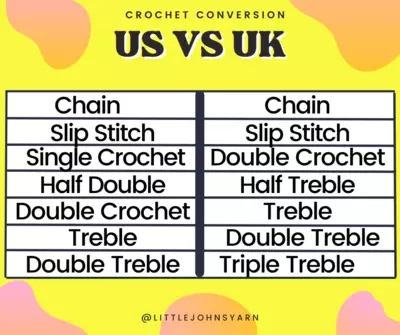
If you prefer a quick reference guide, here’s a simple crochet conversion chart:
| US Crochet Terms | UK Crochet Terms |
|---|---|
| Single Crochet (sc) | Double Crochet (dc) |
| Half Double Crochet (hdc) | Half Treble Crochet (htr) |
| Double Crochet (dc) | Treble Crochet (tr) |
| Treble Crochet (tr) | Double Treble Crochet (dtr) |
Once you notice the stitch pattern between the two systems, the terminology starts making much more sense.
Why Are UK and US Crochet Terms Different?
UK and US crochet terms developed separately as crochet spread through different countries and publishing traditions during the 1800s. Over time, each region standardized its own stitch naming system, which is why modern crochet terminology still differs today.
During the 1800s, crochet patterns were not globally standardized the way they are today. Different countries often taught stitches differently, named stitches differently, and published patterns using their own terminology systems.
According to the Antique Pattern Library, crochet terminology varied significantly throughout the 19th century before gradually becoming more standardized.
Many early American crochet publications actually used terminology that looked much closer to modern UK crochet terms. This is one reason vintage crochet patterns can feel especially confusing today.
Over time, American publishers gradually adopted what we now recognize as US crochet terminology, while the UK continued using its own naming system.
And somehow… crocheters everywhere just learned to live with the confusion.
When Did British and American Crochet Terms Diverge?
Honestly, nobody knows exactly when UK and US crochet terms officially split apart. What I found while researching crochet history is that the separation was gradual, not an instant divide.
Many crochet patterns published in America during the 1800s and early 1900s still used terminology that looks much closer to what we now recognize as UK crochet terms today.
If you enjoy experimenting with vintage crochet patterns, this is something important to watch for. Older patterns can use very different terminology than modern crochet patterns, even when they were published in the United States.
At the time, there was no universal crochet standard. Crochet instructions were often shared through magazines, newspapers, pattern books, stitch samples, sketches, charts, and person-to-person teaching rather than formal written instructions.
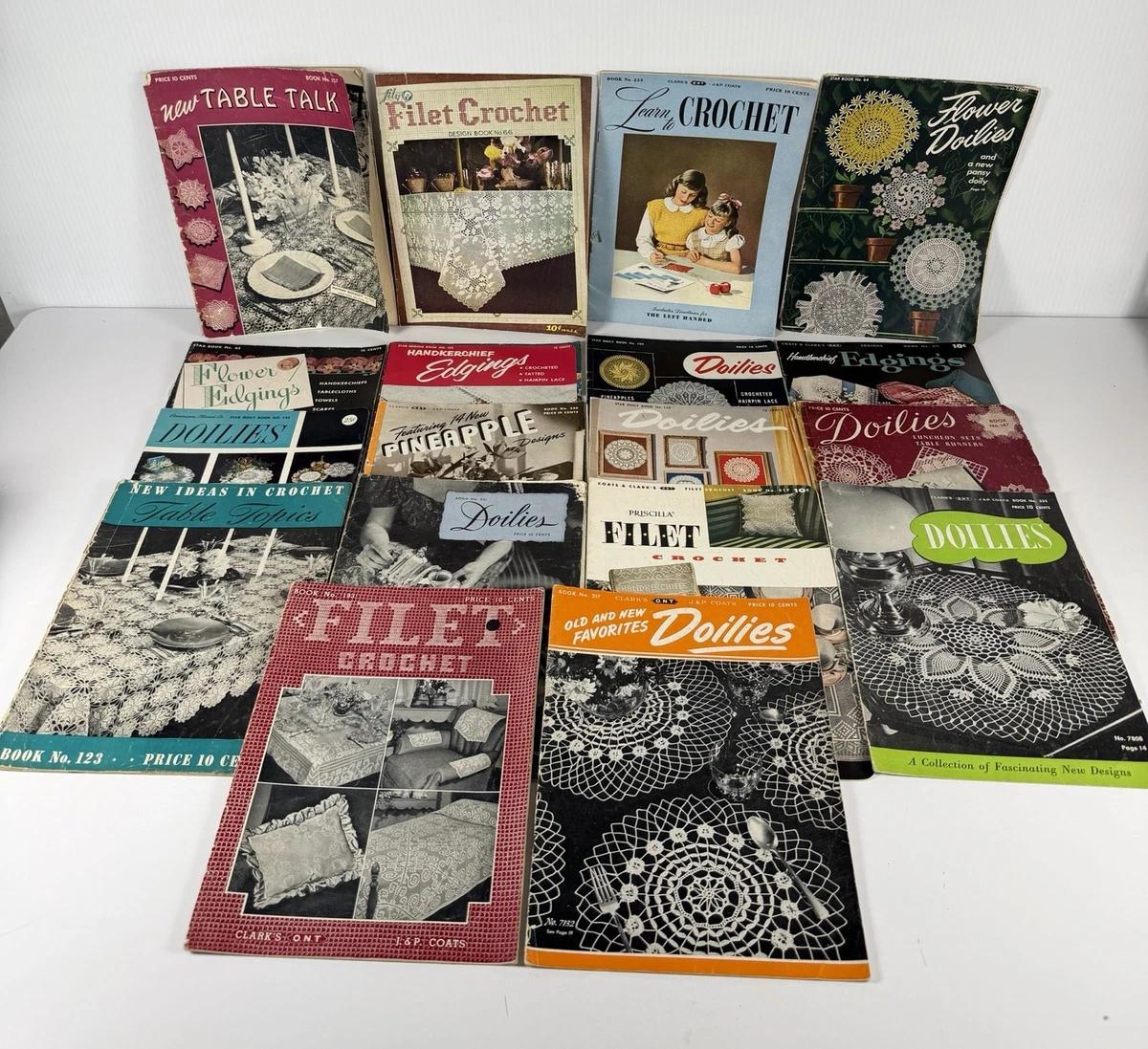
Crochet itself has a very long history, with some textile historians tracing its distant ancestors back thousands of years. We are not going quite that far back today, but it helps explain why crochet terminology evolved differently depending on the country and teaching tradition.
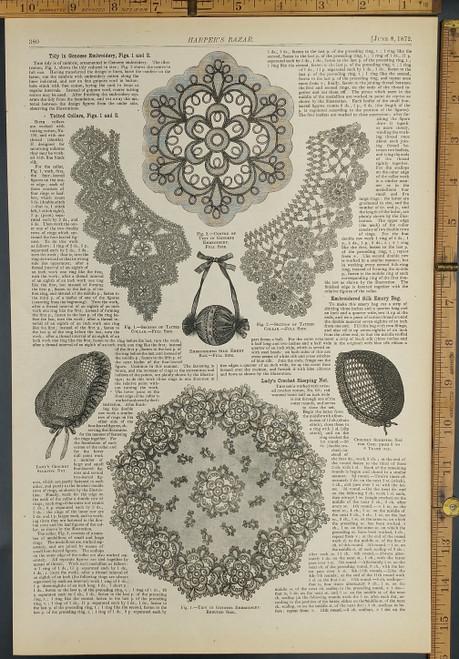
Let’s jump to the 1800s, when crochet was becoming increasingly popular throughout Europe. In the United Kingdom, even Queen Victoria found crochet comforting. During the final year of her life, she reportedly crocheted scarves for soldiers fighting in South Africa.
At the same time, Europe was going through major economic and social changes. The Industrial Revolution created widespread poverty and job shortages in many regions, leading large numbers of Europeans to immigrate to the United States in search of new opportunities.
As Europeans immigrated to America during the 1800s, they brought their crochet techniques, patterns, and terminology with them.
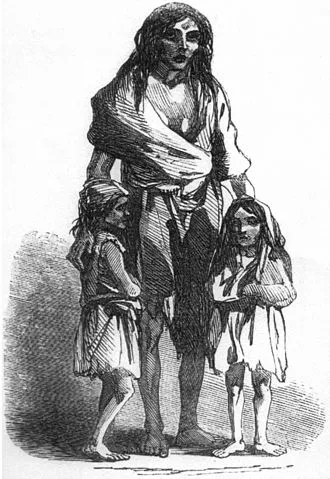
During the Irish Potato Famine between 1845 and 1850, many poor Irish families sold what became known as Irish Crochet to survive financially. According to crochet historian Pauline Turner’s Crochet Lace, crochet lace became especially popular during the mid-1800s as a way to imitate expensive handmade lace using more affordable materials and techniques.
Because crochet was often taught informally rather than through standardized written instructions, terminology naturally began evolving differently across regions.
Over time, British and American publishers gradually settled into their own naming systems, eventually creating the UK and US crochet terms we still use today.
How Did Crochet Stitches Get Their Names?
One theory is that UK crochet terms refer to the number of loops on the hook after drawing up a loop through the stitch. US crochet terms, on the other hand, seem to describe the number of yarn over movements needed to complete the stitch.
For example, in UK crochet terms, a double crochet leaves two loops on the hook before finishing the stitch. In US crochet terms, a single crochet is completed with one main pull through movement, which may explain why it was given the name “single crochet.”
As the stitches become taller, the naming systems continue following their own logic. A US double crochet becomes a UK treble crochet because the stitch uses an additional yarn over before inserting the hook.
While historians still debate the exact origins of crochet terminology, this theory helps explain why UK and US crochet terms developed so differently over time.
Honestly, once I learned this explanation, the stitch names started making a lot more sense to me too.
How to Tell if a Crochet Pattern Uses UK or US Terms
If a crochet pattern uses the term “single crochet,” it is almost always written in US crochet terms because UK terminology does not use single crochet stitches.
You can also identify crochet terminology by checking the pattern notes section, stitch abbreviations, tutorial wording, or even the designer’s location.
According to Craftsy’s crochet terminology guide, patterns using “single crochet” are typically written in American crochet terminology.
Another giveaway is the half treble crochet stitch, which exists in UK terminology but not in US terminology.
This is why checking the pattern notes before starting a project is so important.
Common Mistakes When Converting UK and US Crochet Terms
One of the biggest beginner mistakes is assuming stitch names mean the same thing in every crochet pattern.
Unfortunately, crochet likes to keep us humble.
If you accidentally substitute UK stitches using US terminology, your project can quickly become too tall, too wide, overly holey, or completely different from the original design.
Another common mistake is skipping the pattern notes section. Many designers clearly state whether they use UK or US crochet terms, but it’s easy to overlook when you’re excited to start crocheting.
It’s also important to avoid mixing tutorials from different terminology systems. Watching a UK YouTube tutorial while following a US written pattern can become confusing very quickly.
The good news is that once you understand the stitch offset between the two systems, converting patterns becomes much easier.
Why Crochet Terminology Still Confuses Beginners Today
The internet made crochet patterns from around the world instantly accessible, which also made terminology confusion much more noticeable.
A beginner crocheter might watch a UK YouTube tutorial, download a US written pattern, and save a Pinterest chart from another country all in the same afternoon without realizing the stitch terminology may be completely different.
Once you understand the terminology pattern between the two systems, it becomes much easier to recognize which version a pattern is using.
After a while, your brain almost starts translating automatically.
Almost.
Why are U.S. and UK crochet terms different
Like dialects, crochet has a healthy amount of slang that takes some getting used to, but crocheters tend to be all too happy to share what they mean.
Here is a non crochet example of how words mean different things depending on your geographic location.
For example, in the US, wearing your “pants” outside is normal. But if you are walking around in your pants in the UK, you may get arrested.
Pant= Underwear in the UK
Can you see how easily words and phrases can be lost in translation?
So the two sets of crafters on either side of the Atlantic use stitch names that they were familiar with.
That’s all fine & dandy until patterns started to be printed and sold in the different countries.
That meant the names of stitches needed to be standardized for each country. Thus began the biggest crochet cluster %&^%^* of all history, Crochet standardization.
Frequently Asked Questions About UK vs US Crochet Terms
Are UK and US crochet terms the same?
No. UK and US crochet terminology use different names for many stitches. For example, a US single crochet is called a double crochet in UK terms, while a US double crochet is called a treble crochet in the UK.
What is double crochet in UK terms?
A UK double crochet is the same stitch as a US single crochet. This is one of the most common mistakes in crochet terminology that beginners make when following international patterns.
Why are UK and US crochet terms different?
UK and US crochet terms developed separately as crochet spread through different countries and publishing traditions during the 1800s. Over time, each region standardized its own stitch naming system.
How do I know if a crochet pattern uses UK or US terms?
One of the easiest ways to tell is by looking for the single crochet stitch. If a pattern uses “single crochet,” it is almost always written in US crochet terminology because UK crochet terms do not use single crochet.
What is a UK treble crochet in US terms?
A UK treble crochet is the same stitch as a US double crochet.
Why do vintage crochet patterns feel confusing?
Many vintage crochet patterns were written before crochet terminology became fully standardized. Some older American patterns even used terminology that was closer to modern UK crochet terms.
Can I use UK and US crochet tutorials together?
Yes, but you should first confirm that both the written pattern and tutorial use the same terminology system. Mixing UK and US crochet terms can easily create sizing and stitch confusion.
Conclusion
Understanding UK vs US crochet terms becomes much easier once you recognize the stitch naming pattern between the two systems.
Whether you crochet from vintage patterns, modern designers, or international tutorials, knowing these terminology differences can save hours of frustration and help your projects turn out the way they were intended.
Before starting any crochet project, always check the pattern notes and stitch abbreviations to confirm whether the designer uses UK or US crochet terminology.
Trust me… future you will thank you.
Sources
If you enjoyed the article, then check out my Full History of Crochet!
Happy Crocheting!
Psst… If you love free crochet patterns (I know…duh) make sure to follow my blog on Facebook, Instagram, or Pinterest! Littlejohn’s Yarn posts original designs and free crochet pattern round-ups regularly for you to enjoy.