If you’ve ever searched for the best crochet hook sets for beginners, you’ve probably seen those big kits with 20 hooks, stitch markers, scissors, and a bunch of tools you don’t even recognize. And you’re sitting there thinking… do I actually need all of this?
Because here’s what most beginners don’t realize at first. Personally, I’ve got at least 4 of these sets scattered throughout my craft room.
A lot of the frustration you feel when learning to crochet has nothing to do with your skill. It’s your hook.
If your yarn keeps splitting, if your stitches feel tight and hard to pull through, or if your hands start hurting after just a few rows, that’s not you struggling. That’s your tools working against you.
And this is exactly where most “best crochet hook set” lists get it wrong. They throw a bunch of options at you without explaining what actually matters when you’re just starting out.
Don’t be like me and search for years for the right hook. So instead of overwhelming you, I’m going to walk you through what beginners really need, what to look for, and which crochet hook sets are actually worth your money.
Table of Contents
Do Beginners Really Need a Crochet Hook Set?
Here’s the honest answer most people won’t tell you when they talk about the best crochet hook sets for beginners. You don’t actually need a full set to get started.
Most beginners only use one or two hook sizes in the beginning, usually around 5 mm or 6 mm. Those sizes are easier to work with because the stitches are big enough to see clearly, which makes learning a lot less frustrating.
As a crocheter of 35+ years, I still reach for a 5 mm hook about 90% of the time.
But if you already know you’re going to stick with crochet, or you want to follow different patterns without stopping to buy new hooks every time, then one of the best crochet hook sets for beginners can save you money in the long run.
The key is choosing the right kind of set, not just the biggest one.
Why Your Crochet Hook Matters More Than You Think
Yarn splitting is usually caused by hook shape, not your technique.
One of the biggest complaints beginners have is yarn splitting, especially when they start experimenting with different tools or even the best crochet hook sets for beginners. You insert your hook, try to pull through, and suddenly the yarn separates. Now your stitch looks messy, and you’re not even sure how to fix it.
I often tell crocheters that this is usually caused by the shape of the hook, not your technique.
Another common issue is tension. If your hook is too slick or too rough, it changes how your yarn moves. That’s why some stitches feel tight, while others feel loose even when you’re trying to stay consistent.
Then there’s comfort.
If you’re using a basic metal hook with no grip, your hands will feel it quickly. A lot of beginners don’t realize how much easier crochet feels when you switch to an ergonomic handle, especially if you deal with hand pain or arthritis like I do.
Once you understand that, choosing the right hook becomes a lot simpler.
What Size Crochet Hook Should Beginners Use?
👉 Best crochet hook size for beginners: 5.0 mm to 6.0 mm.
If you’re wondering which size to start with, keep it simple. I always recommend starting with a 5 mm or 6 mm crochet hook. This is what most beginner tutorials and worsted-weight yarns recommend for patterns
These sizes make your stitches easier to see and easier to control. Smaller hooks can make everything feel tight and frustrating, while larger hooks can feel too loose and harder to manage.
Inline vs Tapered Crochet Hooks (Why It Matters)
Inline hooks are best for control. Tapered hooks are better for speed and smooth stitching.
There are two main types of crochet hooks, and this is something most beginners don’t even realize at first when they start looking into the best crochet hook sets for beginners.
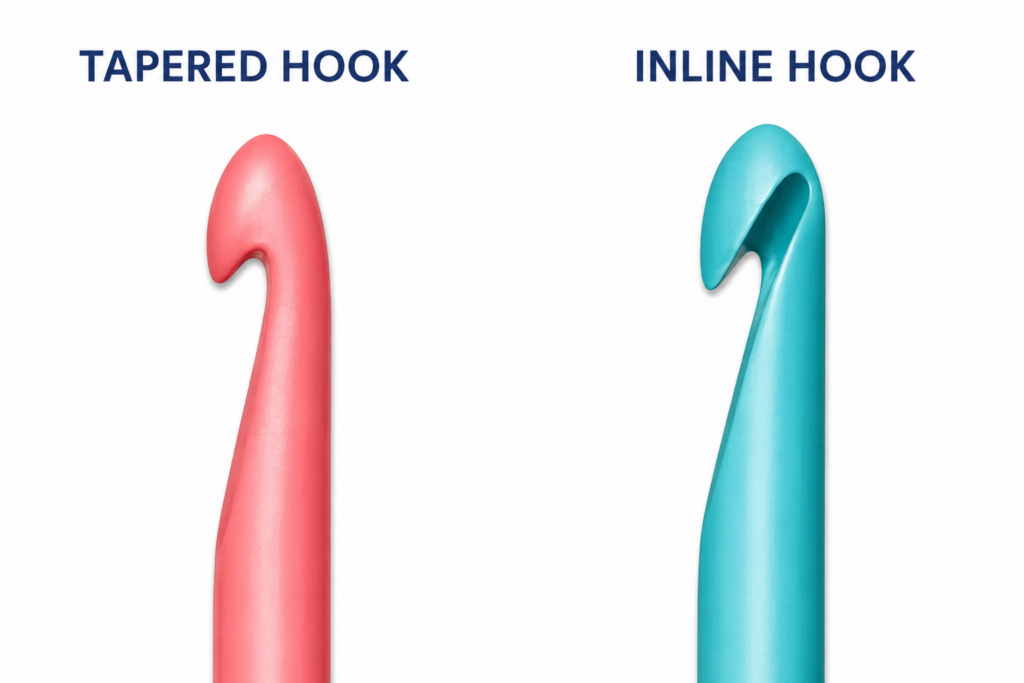
Inline hooks have a more squared shape and a deeper groove. They give you more control and help keep your stitches even.
Tapered hooks have a smoother, rounded shape. They glide through yarn more easily and often feel faster and more natural.
If your stitches feel tight or hard to pull through, a tapered hook will usually feel easier. If your stitches look uneven, an inline hook can help stabilize your tension.
Switching hook styles can fix problems faster than practicing the same stitch over and over. This choice really comes down to personal preference. Personally, I love an inline hook because it grips the yarn more securely and makes it easier to pull through each stitch.
Why Your Crochet Stitches Look Uneven (And How Your Hook Affects It)
Uneven crochet stitches are usually caused by inconsistent tension or the wrong hook.
If your stitches don’t look like the tutorial you’re following, it’s easy to assume you’re doing something wrong. This is something I see all the time when beginners start using different tools, even when they’ve already invested in the best crochet hook sets for beginners.
But a lot of the time, it comes back to your hook.
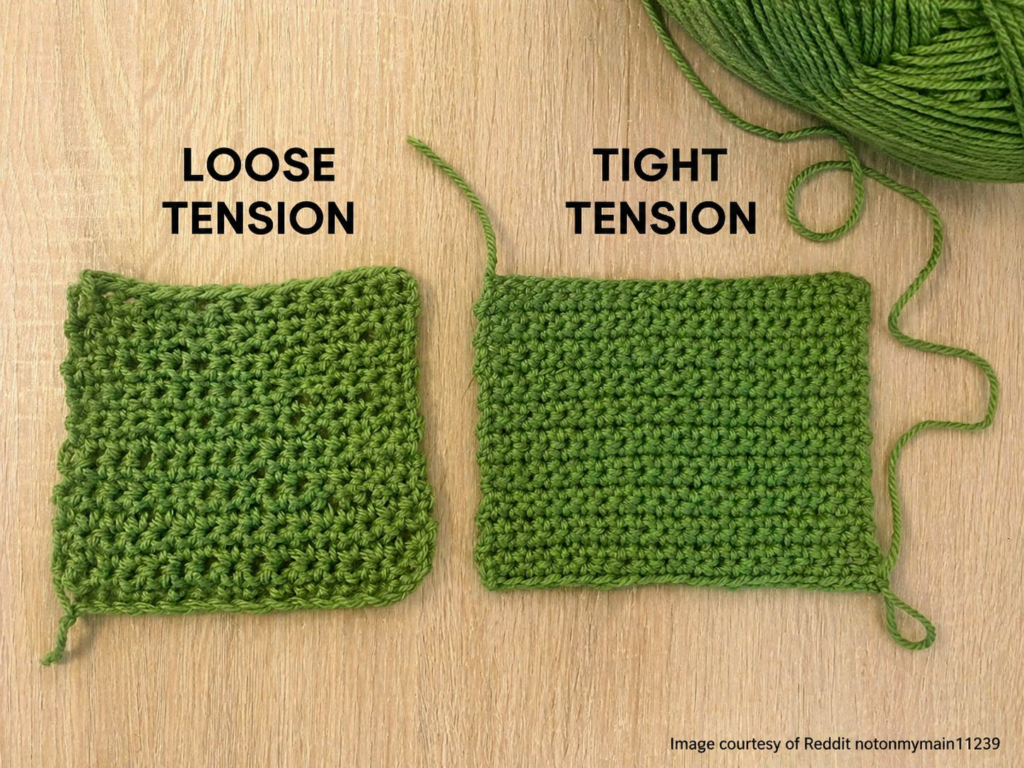
Some hooks grip the yarn more, while others let it slide. That directly affects your tension, which controls how your stitches look.
Tight stitches usually mean your hook isn’t gliding smoothly. Loose or uneven stitches can mean your hook isn’t giving you enough control.
Two people can follow the exact same pattern and get completely different results just because they’re using different hooks.
I teach this in my Youtube tutorials, and this is one of the most common issues I see beginners struggle with.
So before you blame your technique, try switching your hook.
Let me give you a personal example. I don’t like using hooks with thicker, ergonomic handles that taper outward. My yarn tends to slide up the shaft of the hook, which throws off my gauge and makes my stitches less consistent.
How to Choose the Right Crochet Hook for You
If you’re still not sure which hook to choose, here’s a simple way to decide.
If your stitches feel tight and hard to work into, go with a smoother, more rounded hook. It will glide through the yarn more easily and make crocheting feel less frustrating.
If your stitches look uneven or inconsistent, try an inline hook. It gives you more control and helps stabilize your tension.
If your hands start to hurt after a short time, switch to an ergonomic hook with a soft grip. Comfort makes a bigger difference than most beginners expect.
And if you’re still unsure, start with a 5 mm ergonomic hook. It’s the safest option and works well for most beginner projects.
The goal isn’t to find the perfect hook right away. It’s to find one that makes learning feel easier.
Best crochet hook sets for beginners (Tested and Recommended)
Best beginner crochet hook set: Clover Amour for comfort and ease of use.
Clover Amour Crochet Hook Set
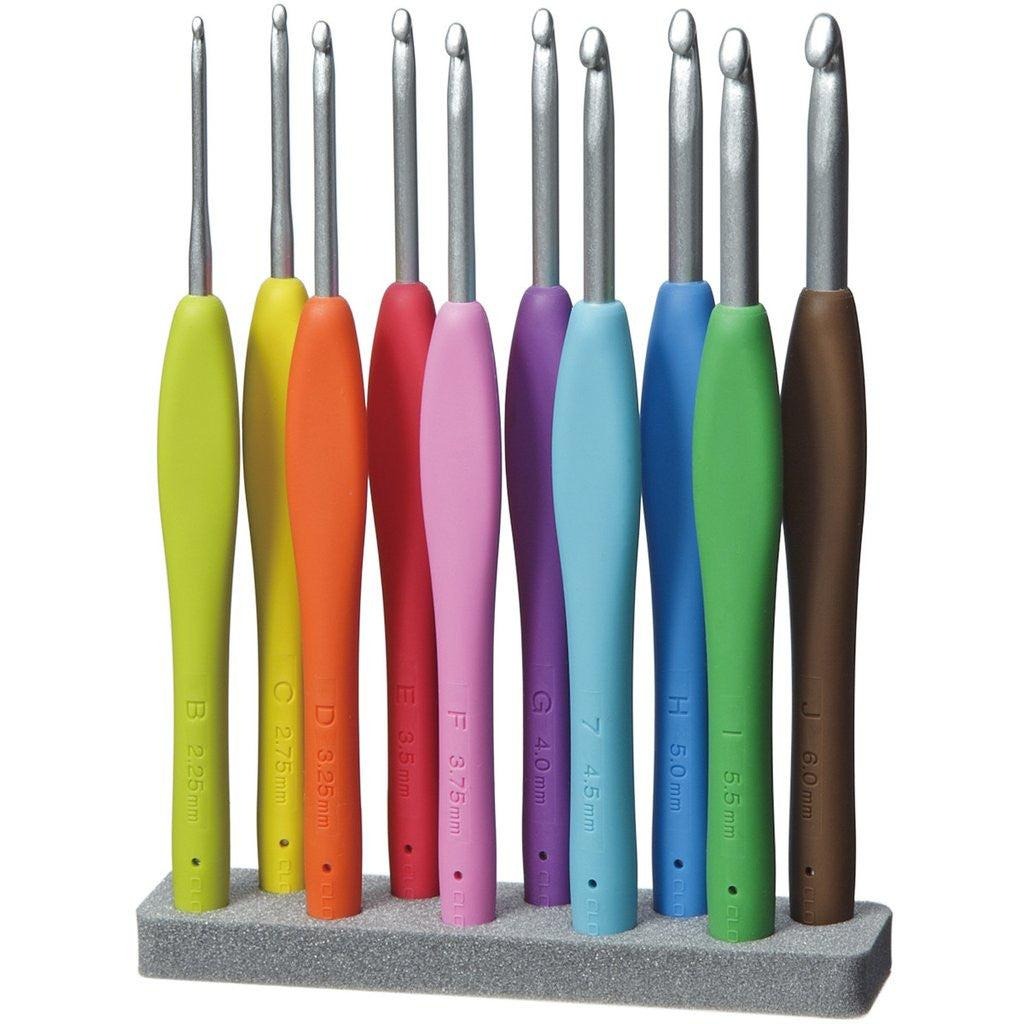
This is one of the most recommended crochet hook sets for beginners for a reason.
The hooks glide smoothly through yarn, which helps prevent splitting, and the ergonomic handles reduce hand fatigue. If you’ve ever struggled with tight stitches, this set makes a noticeable difference.
Who this is for: If you want the easiest, most beginner-friendly experience and plan to stick with crochet long term.
Tulip Etimo Crochet Hook Set
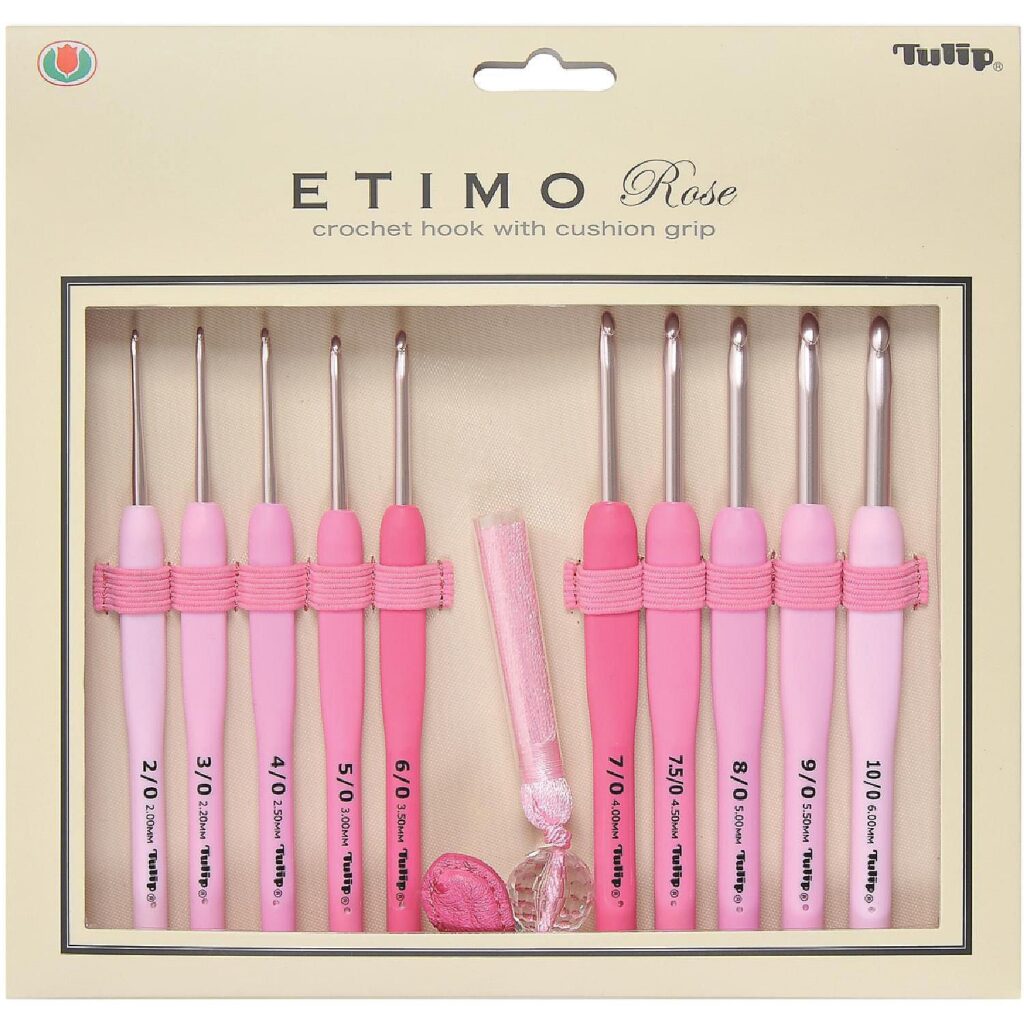
This is a premium option that many crocheters swear by Tulip hooks.
The hooks feel extremely smooth, and the shape gives you more control over your stitches. Many people notice their tension improves almost immediately.
Who this is for: If you want a smoother, more polished crocheting experience and don’t mind investing more.
Yarniss Crochet Hook Set
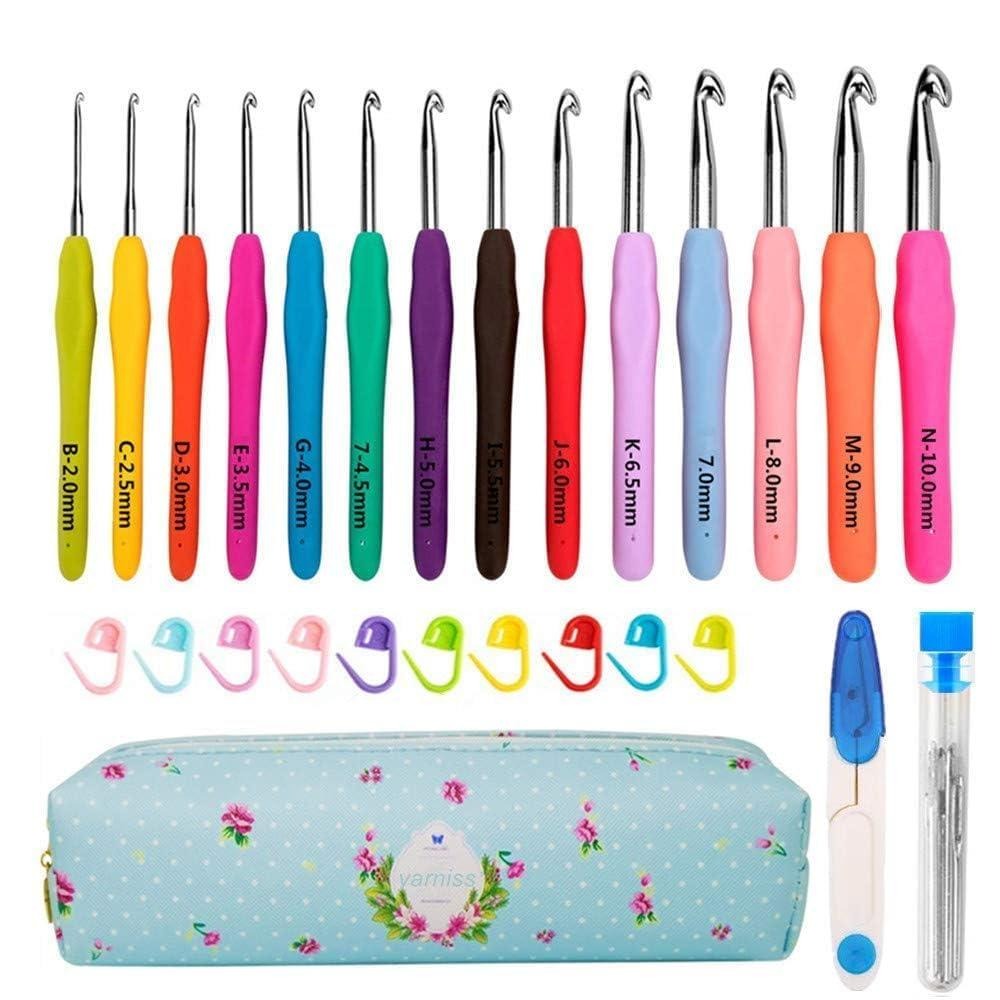
This is a solid budget-friendly option.
It comes with multiple hook sizes and extra tools, which can be helpful when you’re still learning. The quality isn’t quite as smooth as premium brands, but it works well for getting started.
Who this is for: If you want an affordable set with everything included, while you figure out if crochet is for you.
Why I Personally Love Susan Bates Crochet Hooks
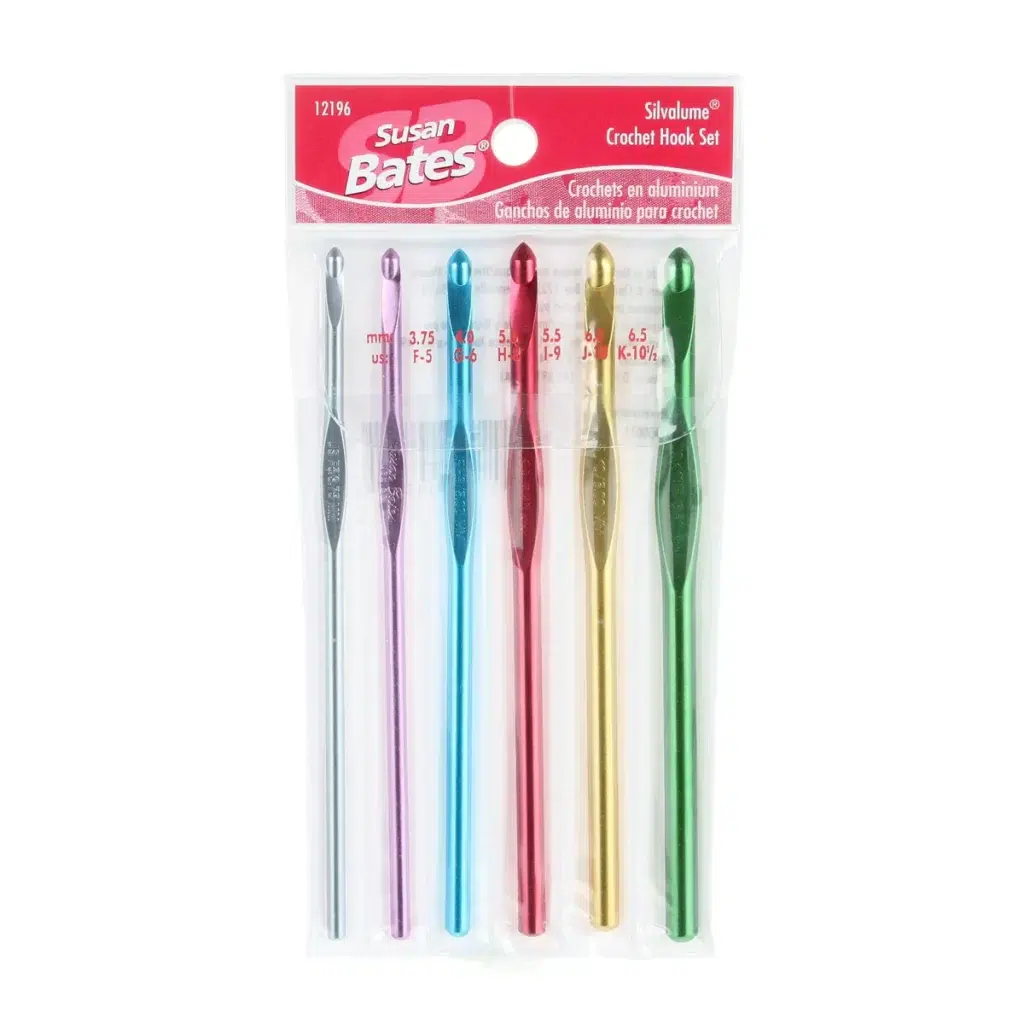
Susan Bates Crochet Hooks have been my go-to for a long time, and they’re still one of my absolute favorites.
I personally prefer an inline hook, and this is where Susan Bates really stands out. The deeper groove grips the yarn in a way that gives you more control, especially if your tension tends to be inconsistent. And they are cheap!
One thing I’ve noticed, especially when working with beginners, is that a lot of uneven stitches come from not having enough control over the yarn. These hooks help fix that because they hold the yarn more securely as you pull through each loop.
The pointed head also makes it easier to work back into stitches, especially when you’re dealing with tighter tension or trying to find the right spot in your row. That’s something beginners struggle with more than they realize.
They don’t glide quite as smoothly as some ergonomic hooks, but what you gain in control can make a big difference in how your stitches turn out.
If you like structure and consistency in your stitches, or if you’ve been struggling with uneven results, this is a hook style I always recommend trying.
Why I Don’t Reach for Boye Crochet Hooks
Boye Ergonomic Crochet Hooks are widely available and show up in many of the best crochet hook sets for beginners, especially for those just getting started.
For me personally, they’re not my favorite.
I tend to prefer an inline hook, and the more tapered head on Boye hooks feels a little too blunt for how I crochet. I find it harder to work back into tighter stitches, especially when I’m trying to be precise with my placement.
That doesn’t mean they’re bad hooks. They’re just different.
Some crocheters love them because the smoother, rounded shape can glide through yarn more easily and feel faster once you get used to it.
This really comes down to personal preference and how you crochet. If you like a smoother motion and don’t struggle with stitch placement, you may enjoy using them.
But if you prefer more control and find yourself working into tighter stitches often, you might find an inline hook easier to use.
My Honest Recommendation
If you’re just starting out and looking at the best crochet hook sets for beginners, keep it simple.
Start with one hook in the 5.0 mm to 5.5 mm range and see how it feels in your hand before jumping into a full set.
If you already know you’re going to stick with crochet, then it makes sense to invest in a quality ergonomic set like the Clover Amour Crochet Hook Set so you’re not fighting your tools while you learn.
Most beginners assume they’re doing something wrong when stitches feel tight or hard to work into.
But most of the time, it’s not you. It’s the hook.
Beginner Crochet Hook FAQs
What size crochet hook should a beginner start with?
Most beginners should start with a 5.0 mm or 6.0 mm crochet hook because these sizes make stitches easier to see and control.
Do I need a full crochet hook set as a beginner?
No, but it can be helpful if you plan to follow different patterns or stick with crochet long term.
What is the best crochet hook for beginners?
A comfortable ergonomic hook like the Clover Amour Crochet Hook Set is one of the easiest options to use.
Why does my yarn keep splitting?
This usually happens when the hook catches part of the yarn instead of the full strand.
Why are my crochet stitches uneven?
Uneven stitches are usually caused by tension, but your hook also plays a role.
Are expensive crochet hooks worth it?
They can be, especially if they make crocheting easier and more comfortable.
Can the wrong hook make crochet harder?
Yes, the wrong hook can make learning more frustrating than it needs to be.
Final Thoughts
Choosing your first crochet hook set doesn’t have to be complicated.
Focus on comfort, start with the right size, and don’t get distracted by oversized kits.
Once you have the right hook, everything starts to feel easier.
And that’s when crochet becomes fun.